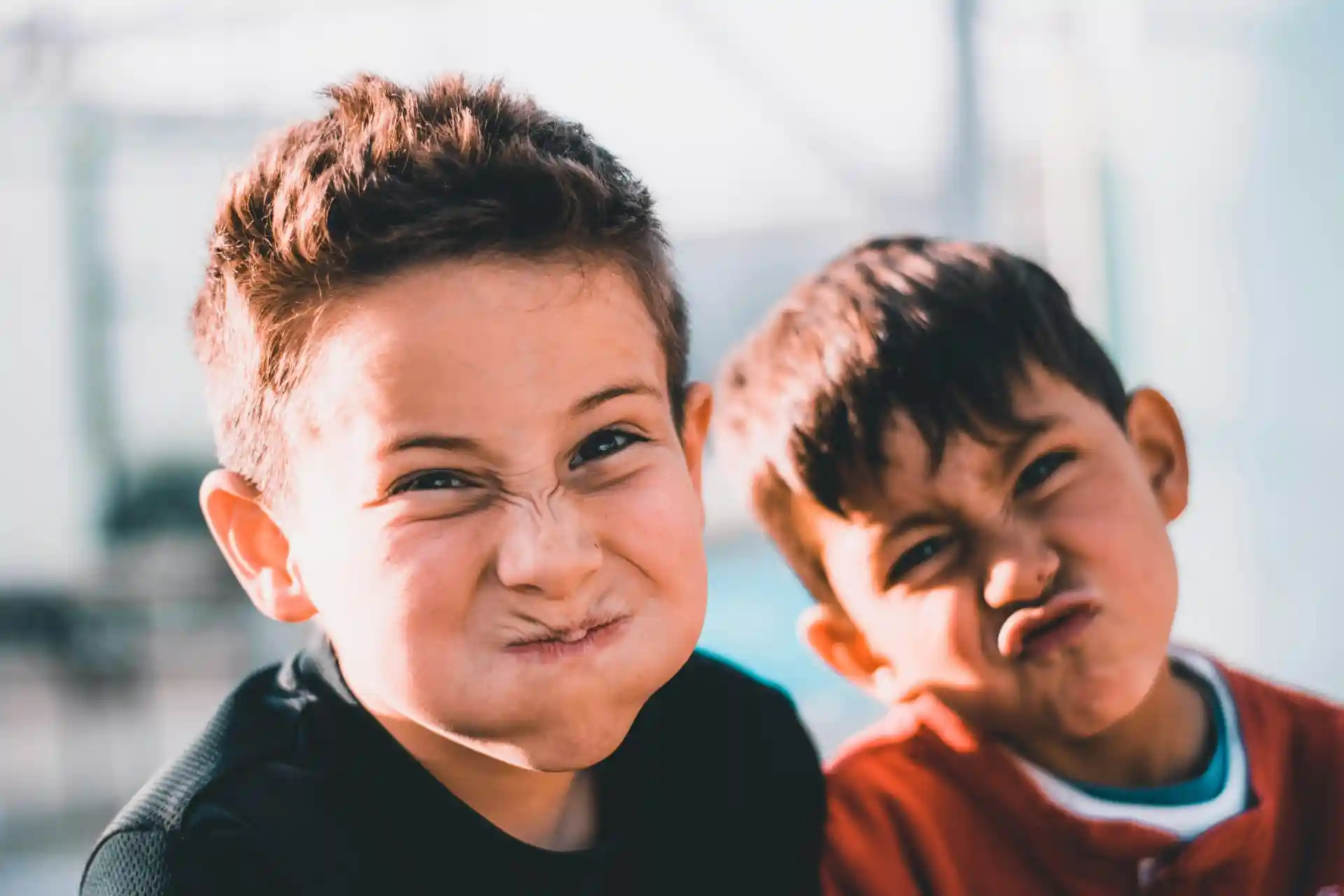
Popular Sibling Therapy Activities
Therapists use fun and helpful activities to help brothers and sisters get along better. These activities help siblings build stronger relationships
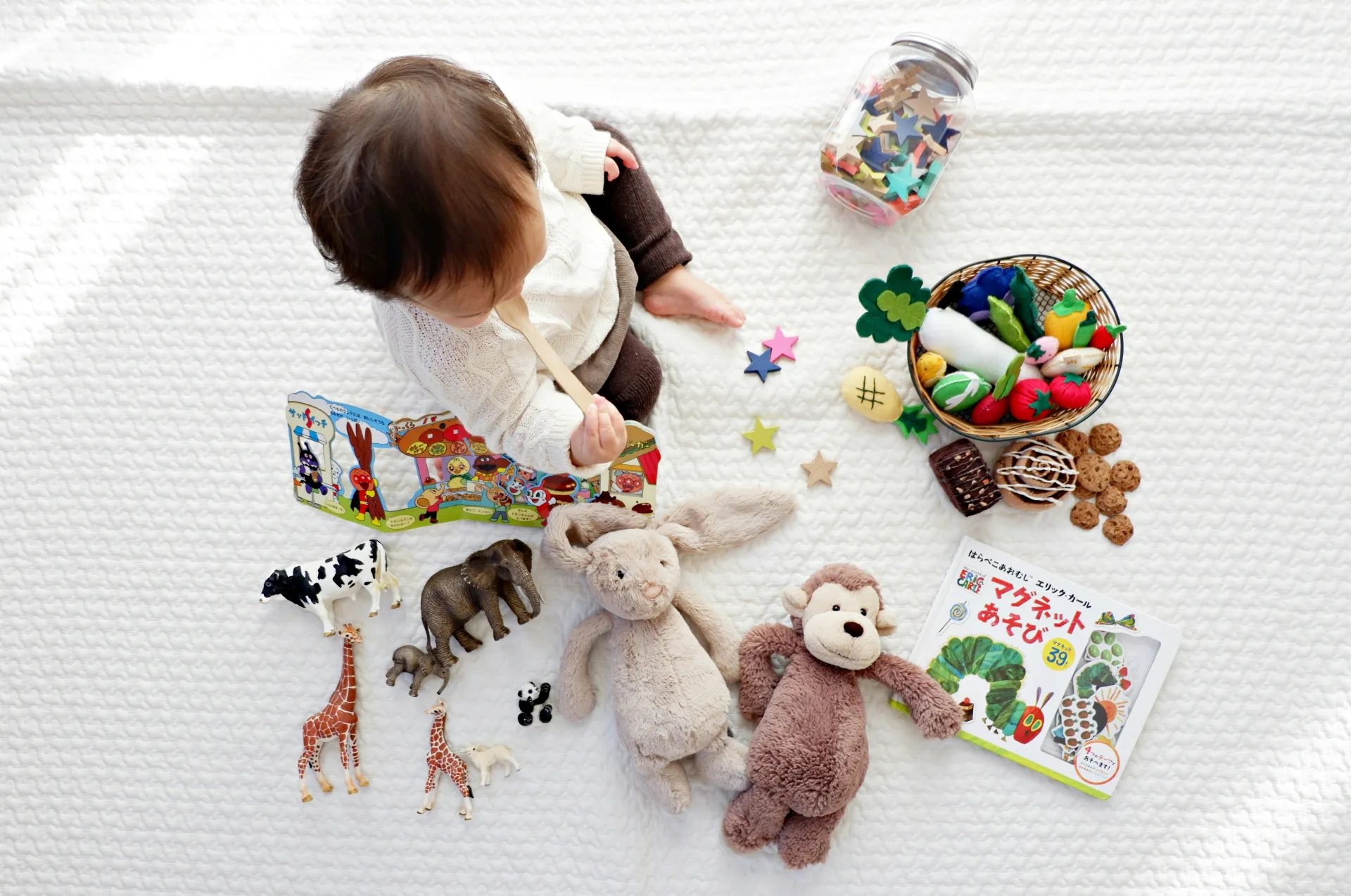
Communication Activities for Siblings in Therapy
Communication activities help siblings learn to talk and listen to each other better. Through fun games like “Feelings Charades” and simple conversations, siblings learn to share their feelings and understand each other’s point of view. This helps create a happier home where everyone feels heard.
Team-Building Activities for Siblings in Therapy
Team-building activities are fun games and projects that help siblings work together. From building obstacle courses to making art together, these activities teach siblings how to help each other and celebrate their successes. The skills they learn help them work better with others at school and in life.
8 Activities for Siblings in Therapy
1. Communication Circle
2. Role-Playing Scenarios
3. Team-Building Games
4. Shared Art Projects
5. Storytelling Exercises
6. Problem-Solving Challenges
7. Gratitude Sharing
8. Emotion Charades
Our Child Therapists Are Here to Support Your Family
Our dedicated team is committed to helping you strengthen the bond with your children, fostering healthier and happier relationships.

Tia Doyle
My overall goal is to give people support and space to have ongoing conversations about how to address and improve specific situations. I look forward to being the support system you need to get through hard times. I am here to help you be the BEST you!
View Tia's Profile
Bionca McAfee
Let me help you find balance in your life: I work with children, adolescents, teens and adults with mood disorders, substance use disorders, behavioral problems, emotional disturbance, impaired social functioning as well as abuse survivors (mental, physical, neglect, financial, medical, educational) and perpetrators.
View Bionca's Profile
Precious Bradley
I bring a unique approach to my clinical work, empathizing with vulnerability as a key aspect, complemented by a strong sense of empathy and curiosity. I have a deep passion for the therapeutic process and a firm believer in the transformative power of change. I have spent years working with folks who are struggling with many different mental health issues.
View Precious's Profile
Dr. Arin Davidson Stevens
Clinical psychologist (Psy.D., The Chicago School of Professional Psychology) providing therapy for all ages. Uses psychodynamic and cognitive-behavioral approaches, play therapy for younger children, and family systems. Experienced in anxiety, depression, and adjustment disorders.
View Dr.'s Profile
Kyle Harris
I have served in a variety of roles within the mental health field, including private practice, juvenile detention, and school districts. Across each setting, I've remained committed to a person-centered approach, prioritizing strong, healthy relationships as the foundation for growth and progress.
View Kyle's ProfileIncorporating Sibling Therapy Activities At Home
You can continue the fun and learning at home with simple activities that help siblings bond and grow together.
Creating a Positive Environment
Find a quiet space where your children can focus on the activities. Set simple rules about being kind and respectful. Make sure everyone knows these activities are important and fun. Celebrate when they work well together!
Implementing Sibling Therapy Activities
Make these activities part of your regular routine. Start with short, fun activities and make them longer as your children get more comfortable. Choose activities that match your children’s ages and interests to keep them engaged and having fun.
Insurance Coverage Made Simple
We accept most major insurance plans and offer low self-pay rates to ensure quality care is accessible to everyone. Your well-being is our priority, and we're here to help regardless of your financial situation.
Improving Sibling Relationships
Fun activities in therapy help siblings build stronger bonds and learn important life skills. When siblings get along better, they’re happier and learn how to work well with others.
What Are Sibling Therapy Activities?
Activities for siblings in therapy
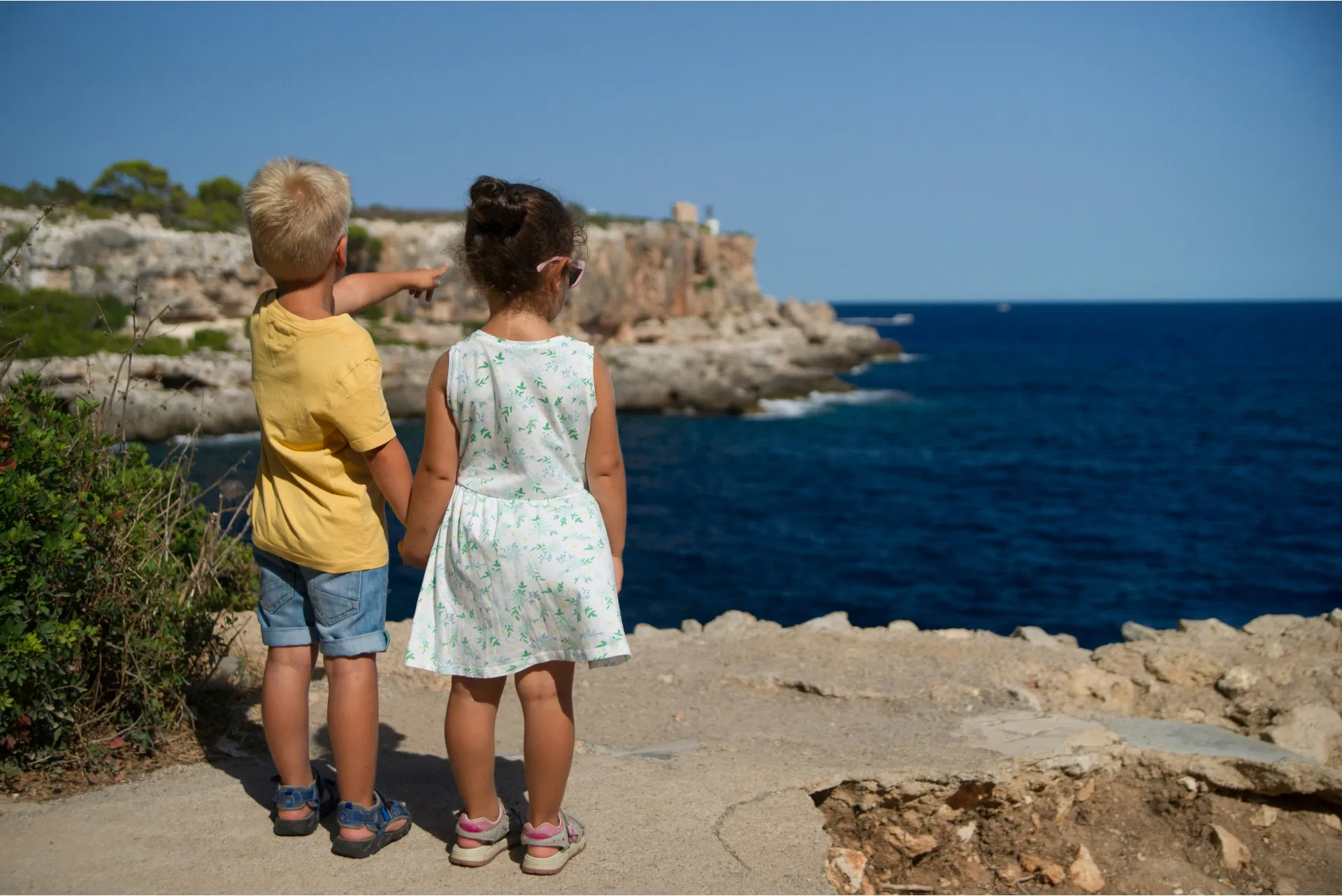
How Do Activities for Siblings in Therapy Improve Relationships?
These fun activities give siblings a chance to practice getting along in a safe and guided way. Through playing and working together, siblings learn how to talk about their feelings, solve problems, and understand each other better. These skills help them get along better at home and with friends.

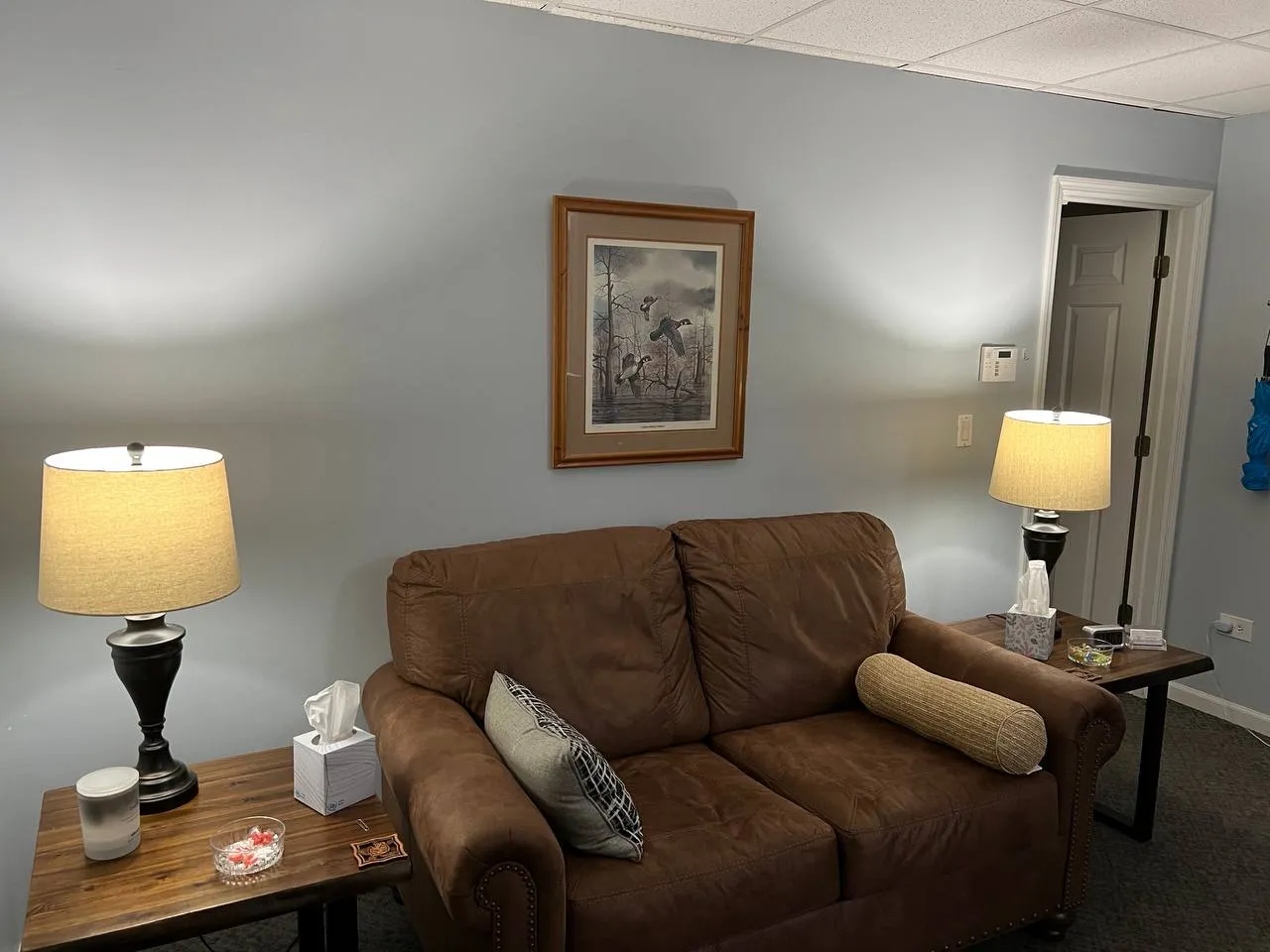
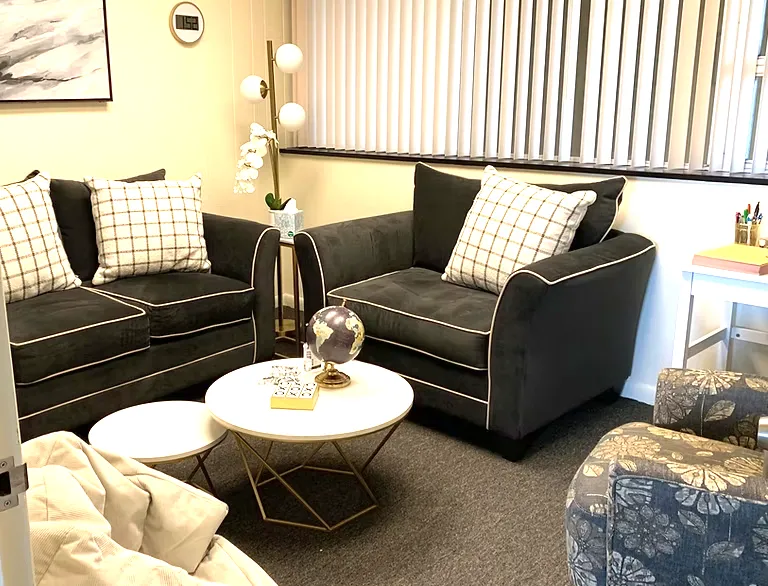
The Role of a Therapist in Guiding Sibling Activities
Therapists help guide these activities in a way that’s fun and helpful for your family.
How Therapists Facilitate Sibling Activities
Therapists choose activities that are right for your family and guide your children through them. They show your children how to talk to each other and help them learn new ways to get along. They watch how your children interact and help them develop better ways of working together.
Customizing Activities for Siblings in Therapy to Fit Family Needs
Therapists pick activities that work for your children’s ages and personalities. They make sure the activities are fun and helpful for everyone in your family. This helps make therapy more effective and enjoyable for all.
FAQ: Common Questions About Activities For Siblings In Therapy
What are activities for siblings in therapy?
How do activities for siblings in therapy improve relationships?
What are some popular activities for siblings in therapy?
How can I implement activities for siblings in therapy at home?
What are effective activities for younger siblings in therapy?
What are meaningful activities for teen siblings in therapy?
How can therapists facilitate activities for siblings in therapy?
What impact do activities for siblings in therapy have on family dynamics?
Related Articles
Family Therapy Activities: Strengthen Your Bonds
Explore a range of family therapy activities that boost communication, build trust, and encourage understanding among family members. These activities can help families overcome challenges and strengthen their connections.

Initiative vs Guilt: Navigating Erikson's Third Stage
Erikson's Initiative vs Guilt stage explained. Learn how to navigate this developmental phase and foster healthy development.
Top Family Reunion Games for 2025: Creating Memories With Fun Activities
Explore a variety of family reunion games for 2025, from easy indoor activities to competitive outdoor games.
The Significance of the Family: Understanding Its Impact
Understand the significance of the family. It shapes individuals, relationships, and society.