
Understanding If You’re the Problem in Your Relationship
Many people question their role in relationship issues. Understanding whether you might be contributing to these problems is the first step toward improvement.
What Does It Mean to Be the Problem in a Relationship?
Feeling like you’re the problem in a relationship can be distressing. This might mean you’re reflecting on your behavior and its impact. Sometimes, self-doubt and guilt contribute to these feelings, but it’s important to differentiate between legitimate issues and misunderstandings.
Signs That You Might Be Contributing to Relationship Issues
Recognizing the signs that you may be part of the problem is crucial for making positive changes.
Behavioral Patterns to Watch For
Patterns like constant criticism, lack of communication, or emotional withdrawal can indicate that you might be contributing to the issues in your relationship. Reflect on your recent interactions and behaviors to identify any problematic patterns.
Impact of Communication Styles
Your communication style greatly affects your relationship. If you find yourself frequently arguing, avoiding important discussions, or using hurtful language, these could be signs that you need to change your approach to communication.
How to Evaluate Your Role in Relationship Problems
Assessing your role involves honest self-reflection and understanding how your actions affect your partner.
Seeking Feedback from Your Partner
Open and honest communication with your partner is essential. Ask for feedback about your behavior and how it affects them. This can provide valuable insights into whether you’re contributing to the relationship issues.
Self-Reflection Exercises
Engage in self-reflection exercises, such as journaling or mindfulness, to understand your feelings and behaviors better. This can help you recognize patterns and triggers that contribute to relationship problems.
Steps to Address and Improve Relationship Dynamics
Taking steps to address and improve your role in the relationship can lead to positive changes and a healthier partnership.
Effective Communication Strategies
Improve your communication by practicing active listening, expressing yourself clearly, and avoiding blame. These strategies can help foster better understanding and resolve conflicts more effectively.
Personal Growth and Self-Improvement
Focus on personal growth by addressing any negative behaviors and working on self-improvement. This can positively impact your relationship and help you become a better partner.
When to Seek Professional Help
Therapy can provide significant benefits when dealing with relationship issues, offering a safe space for understanding and growth.
Benefits of Therapy for Relationship Issues
Therapy can help you gain insights into your behaviors, improve communication skills, and address underlying issues. It provides a structured environment for personal and relational growth.
What to Expect from Counseling
During counseling, you’ll work with a therapist to explore relationship dynamics, develop coping strategies, and work on improving your relationship. It’s a collaborative process aimed at positive change.
Expert Therapists Specializing in Relationship Issues
Our compassionate team is here to support your journey of healing.
Meet Some of Our Expert Therapists

Melissa Goosmann
I strive to create an accepting environment for my clients while providing the skills needed to achieve meaningful change. I believe in evidenced-based and collaborative work cultivated by a trusting therapeutic relationship.
View Melissa's Profile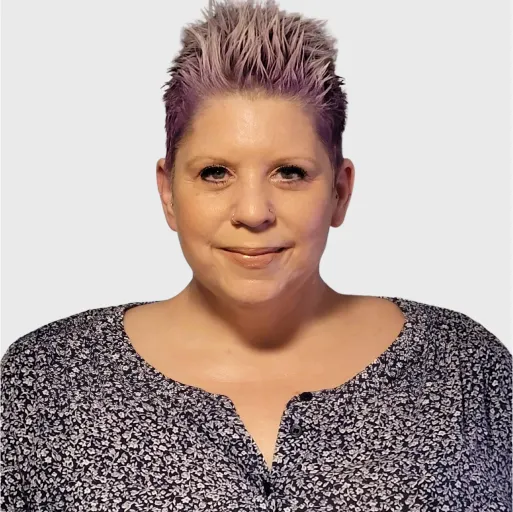
Amy Carbone
I am a Licensed Clinical Social Worker, empathetic, non-judgmental gal who accepts all clients for who they are. I believe in starting where the client is at that moment in their life. I think the most important part of therapy is the therapeutic relationship.
View Amy's Profile
Karen Stocker
I am a Clinical Intern currently completing my second master’s degree in Clinical Mental Health Counseling at Bradley University. My first master’s degree is in Secondary Education.
View Karen's Profile
Nedra Everett
I am a Licensed Clinical Social Worker with expertise working with diverse populations. My background encompasses a wide range of areas including trauma, crisis intervention, depression, anxiety, anger management, parent coaching, grief and bereavement and relationship interventions.
View Nedra's Profile
Kyle Harris
I have served in a variety of roles within the mental health field, including private practice, juvenile detention, and school districts. Across each setting, I've remained committed to a person-centered approach, prioritizing strong, healthy relationships as the foundation for growth and progress.
View Kyle's ProfileMoving Forward: Building Healthier Relationships
Making positive changes in your relationship involves ongoing self-improvement and effective communication.
Practical Steps for Positive Change
Implement practical steps like setting healthy boundaries, practicing empathy, and working on personal growth. These actions can lead to a more fulfilling and balanced relationship.
Importance of Ongoing Self-Improvement
Continual self-improvement is key to maintaining a healthy relationship. Regularly assess your behaviors and work on personal development to ensure a strong and supportive partnership.
Insurance Coverage Made Simple
We accept most major insurance plans and offer low self-pay rates to ensure quality care is accessible to everyone. Your well-being is our priority, and we're here to help regardless of your financial situation.
FAQ: Common Questions About Relationship Issues
Why do I feel like I am the problem in my relationship?
How can I tell if I am causing relationship problems?
Am I the problem if my partner is unhappy?
How can I stop being the problem in my relationship?
Should I seek therapy if I think I am the problem in my relationship?
Why do I think I'm always the problem in my relationship?
How can I improve myself to fix relationship issues?
Can relationship problems be fixed if I'm part of the issue?


Related Articles
How Long Does It Take to Get Over a Breakup? How to Heal and Move On
Learn how long it takes to get over a breakup and explore the emotional healing process. Find out how therapy can support your recovery and help you move on.

Signs an Emotionally Unavailable Man Is in Love with You
Discover how to identify if an emotionally unavailable man is genuinely in love with you. Explore key signs and behaviors that reveal his true feelings.

Emotionally Unavailable Men: Understanding and Coping
Is he emotionally distant? Learn to recognize signs of emotional unavailability in men, understand its causes, and explore healthy coping strategies.

I Miss My Ex: Understanding Your Emotions and Next Steps
Explore why you might miss your ex and what steps you can take to address these feelings. Learn how to cope and move forward effectively.