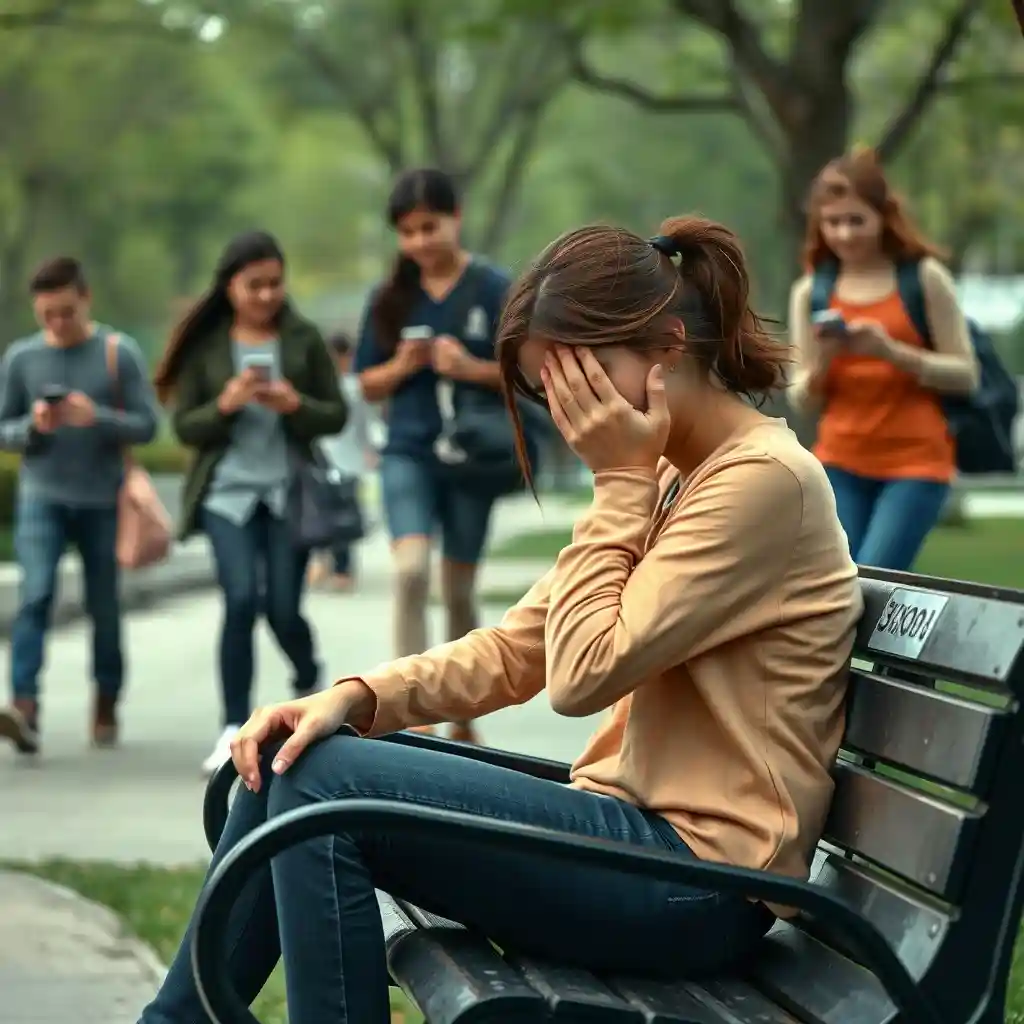
How Does Comparison Affect Teens? Navigating Social Comparison
How does comparison affect teens? This article discusses the negative impacts of social comparison on teen mental health, self-esteem, and relationships, and offers coping strategies with Integrative Family Counseling.
Published on:The Impact of Social Comparison on Teen Mental Health
Comparing oneself to others can lead to a range of negative emotions, including anxiety, depression, envy, and shame. When teens constantly feel like they’re not measuring up, it can erode their self-worth and confidence. This can contribute to mental health issues like depression and anxiety. According to a study published in the Journal of Abnormal Child Psychology, teens who frequently engage in social comparison are more likely to experience feelings of inadequacy

Furthermore, social comparison can affect teens’ self-esteem. If they consistently perceive themselves as less attractive, less popular, or less successful than their peers, their self-confidence can plummet. This can lead to feelings of insecurity, self-doubt, and even social isolation.
How Comparison Affects Teen Relationships
Comparison can also strain relationships. Teens who are constantly comparing themselves to their friends may develop friendship anxiety

Furthermore, comparison can hinder the development of healthy relationships. Teens who are preoccupied with comparing themselves to others may struggle to connect authentically with their peers. They may be too focused on their own perceived shortcomings to truly listen and empathize with others.
Practical Strategies for Teens to Cope with Comparison
It’s important for teens to develop healthy coping strategies to manage the negative effects of comparison. Here are some practical tips:
- Recognize and challenge negative thoughts: When you notice yourself comparing yourself to others, challenge the negative thoughts that arise. Ask yourself if these thoughts are realistic and helpful.
- Focus on your strengths and accomplishments: Instead of dwelling on your perceived shortcomings, focus on your strengths and accomplishments. Celebrate your successes, no matter how small.
- Practice self-compassion: Be kind to yourself. Everyone makes mistakes and has insecurities. Treat yourself with the same compassion you would offer a friend.
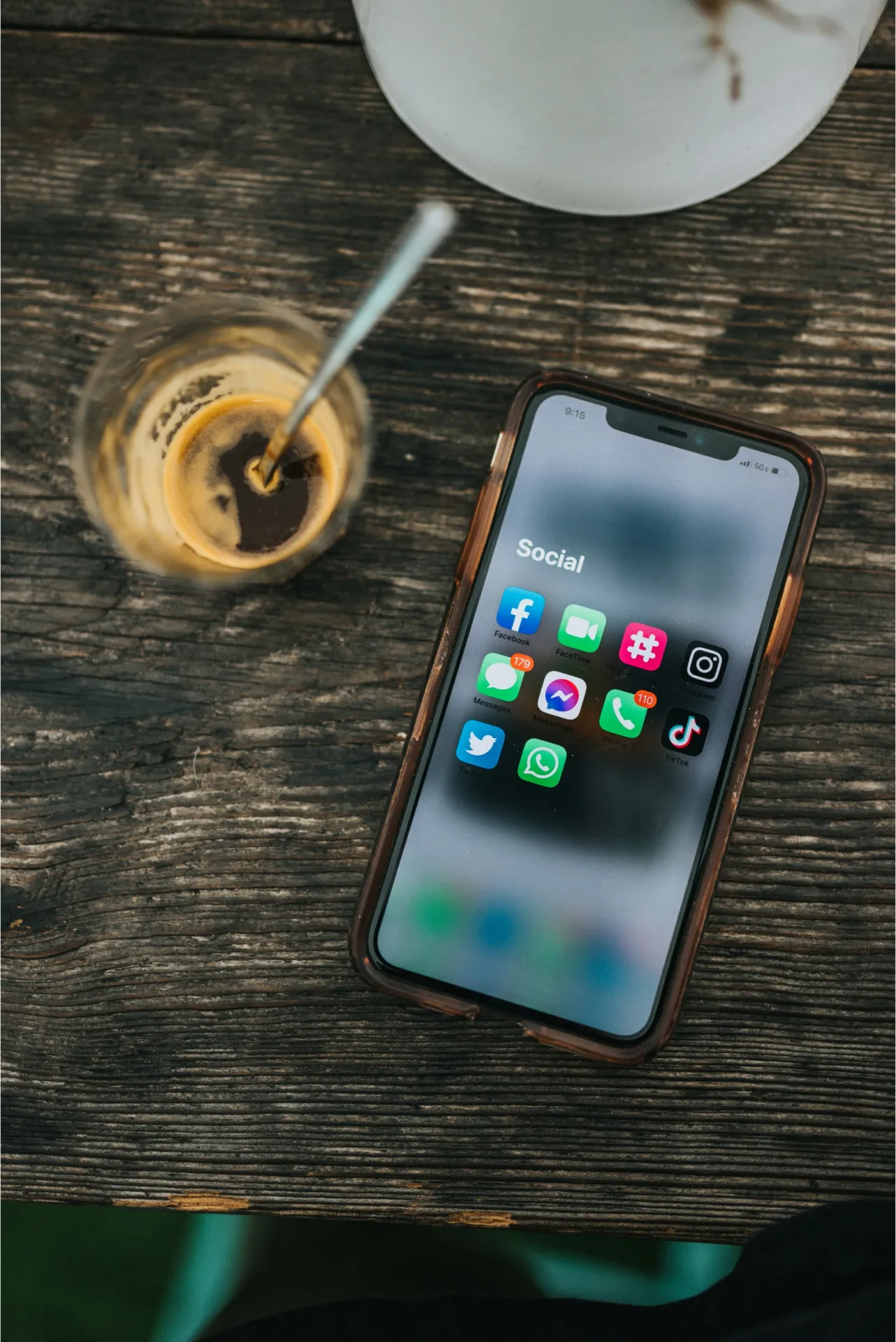
- Limit social media time: Take breaks from social media to reduce exposure to unrealistic portrayals of others’ lives. Deleting social media
- Connect with supportive friends and family: Surround yourself with people who love and accept you for who you are. Talk to them about your struggles and seek their support.
The Role of Parents and Educators
Parents and educators can play a crucial role in helping teens navigate the challenges of comparison. Supporting teen development requires creating an environment where they can thrive. Here are some ways they can support teens:
- Encourage open communication: Create a safe space for teens to talk about their feelings and concerns without judgment.
- Emphasize individual strengths and talents: Help teens recognize and appreciate their unique qualities.
- Promote healthy self-esteem: Encourage teens to focus on their personal growth and achievements rather than comparing themselves to others.
- Educate about the unrealistic nature of social media: Help teens understand that social media often presents a curated and idealized version of reality.
Seeking Professional Help
If your teen is struggling with comparison and it’s impacting their mental health or relationships, consider seeking professional help. A therapist can provide a safe space for teens to explore their feelings, develop coping strategies, and build self-esteem.
Find A Therapist That Specializes In Teen Mental Health
Our therapists at Integrative Family Counseling understand the unique challenges teens face, including the impact of comparison. We provide a supportive and confidential space for teens to explore their feelings, develop coping strategies, and build self-esteem.

Juliana Morgan
I believe that change and growth can happen and aim to guide my client's on their path of discovery. I value the therapeutic relationship and seek to provide a safe, empathetic, and authentic healing environment.
View Juliana's Profile
Muhammad Noman Ahmed
Muhammad Noman Ahmed is a dedicated mental health therapist with a passion for helping individuals navigate life's challenges. Having transitioned from the corporate world to pursue his calling, his mission is to provide compassionate and effective therapeutic support to individuals, couples, families, and the LGBTQ community.
View Muhammad's Profile
Jessica Warren
Whether it is peer issues, relationship issues or just day-to-day difficulties, there is no issue too small for therapy. Together we can work to develop skills that can help you navigate these challenges.
View Jessica's Profile
Bionca McAfee
Let me help you find balance in your life: I work with children, adolescents, teens and adults with mood disorders, substance use disorders, behavioral problems, emotional disturbance, impaired social functioning as well as abuse survivors (mental, physical, neglect, financial, medical, educational) and perpetrators.
View Bionca's Profile
Ashley Hartell
I believe that every person should talk with a therapist at least once in their lifetime. Everyone deserves to have a neutral party to listen to their stressor, and to help them develop healthy ways to cope.
View Ashley's ProfileInsurance Coverage Made Simple
We accept most major insurance plans and offer low self-pay rates to ensure quality care is accessible to everyone. Your well-being is our priority, and we're here to help regardless of your financial situation.

FAQ: Common Questions About How Comparison Affects Teens
Why do teens compare themselves to others?
How does social media contribute to comparison among teens?
What are the signs that a teen is struggling with comparison?
How can parents help teens cope with comparison?
Can comparison ever be positive for teens?
What are some healthy ways for teens to compare themselves?
How can therapy help teens with comparison issues?
Where can teens find support for comparison issues?
Related Articles

Best Jobs for People with Anxiety: Work That Fits Your Needs
Explore the best jobs for people with anxiety, including careers that provide a supportive environment, flexible hours, and low-stress conditions to help manage anxiety and improve work-life balance.

How to Know What Your Friends Think of You: Reading Nonverbal Cues
Discover how to understand your friends' true feelings. Learn how to gauge their opinions, improve communication, and build stronger friendships.

Good Jobs for Teens with Anxiety: Finding the Right Fit
Finding a job that accommodates anxiety can be challenging for teens. This guide highlights job options that offer a supportive and flexible environment, allowing teens to work while managing their mental health effectively.

Online Jobs for People with Anxiety: Find Work That Fits Your Needs
Find out which online jobs are best for people with anxiety. Learn about flexible work options that can accommodate your needs and tips for managing anxiety while working from home.